
Who Needs a Forex Licence?

Any entity or person that plans to establish a platform as an intermediary to assist clients in their transactions in various financial markets must hold a foreign exchange licence. For those who engage in transactions involving a wide range of financial instruments, including, but not limited to, the following, the foreign exchange licence is essential:
- Currency (foreign exchange transactions)
- Difference Contract (CFD)
- Equities
- Bonds
- Derivatives
- Commodities
The acquisition of foreign exchange trading licences demonstrates the firm’s commitment to the highest standards of regulatory compliance, integrity and transparency. This is a crucial step for businesses that want to win the trust of their clients and partners by ensuring a safe and fair trading environment.
Build a Clear Financial Licensing Strategy
Foreign-exchange licences are quality assurance for customers, shareholders, and partners, and help businesses to match well-reputable banks, software providers, and trusted customers. Dealing with complex regulatory environments can be challenging and time-consuming, especially for starters or businesses entering new markets – Legalaes is ready to help you.
To become a qualified foreign exchange broker, dealer or financial adviser, a detailed set of rules and agreements must be followed, AML/CFT policies must be followed, risks assessed, competitiveness maintained and market integrity maintained.
Financial regulation varies from region to region, and no generic licence applies to all situations. Some brokerage licences are more demanding than others, and compliance and maintenance costs may be higher.
Financial regulators (usually government agencies) are responsible for enforcing legal standards to promote fair markets and protect investors’ interests and funds.
Choosing a Forex Licensing Jurisdiction

Mauritius
Mauritius is seen as an example of offshore financial licensing, which has been well received in recent years by many foreign exchange brokers. Mauritius has chosen a first-class compliance route and offered many advantages to offshore entities.
South Africa
South Africa’s Financial Service Providers’ License: It is well recognized for its balanced regulatory approach, making it an ideal option for foreign exchange brokerage. It is regulated by the Financial Sector Conduct Regulatory Authority (FSCA) to ensure moderate compliance, enabling enterprises to meet regulatory standards without high cost.

Cyprus
The licence issued by the Cyprus Securities and Exchange Commission (CySEC) is one of the most prestigious licences in the industry, demonstrating that companies adhere to high standards of compliance and are committed to maintaining clear investor protection mechanisms. For end-users, holding the licence is often seen as a symbol of honour.

Seychelles
Seychelles is well known for its very few reporting requirements and the Commission’s rapid application review. Its preferential tax system and low corporate maintenance costs make it an ideal option for foreign investors wishing to expand the licence coverage.
Vanuatu
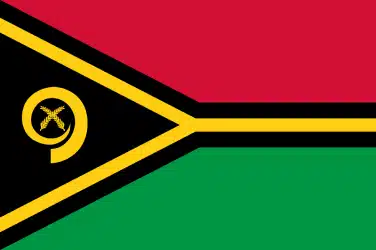
Over the past five years, Vanuatu has adapted its regulatory provisions to increase its value on the international market. These adjustments are designed to adapt to global changes in the foreign exchange and contract brokering industries and to ensure compliance with international standards to combat money-laundering and terrorist financing.

United States
The US financial regulatory system, known for its high degree of transparency and strict compliance, is one of the most trusted markets for financial institutions around the world. The US MSB (Money Services Business) is regulated by FinCEN, which requires companies to meet clear standards in anti-money-laundering, counter-terrorism financing, and customer identification procedures, suitable for foreign exchange, remittance, or digital asset-related services.

Australia
The Australian Securities and Investment Commission (AISIC) is known for its sound, pragmatic and well-developed regulatory system, and is one of the Asia-Pacific countries most favoured by foreign exchange and financial derivatives companies. The ASC emphasizes transparency, customer financial segregation, and clear risk disclosure standards that enable companies to maintain high compliance and sustainable operational capacity when providing leverage products.

Estonia
Estonia is known for its digital government system and efficient administrative processes as one of the most innovative financial science and technology centres in Europe. Its virtual asset service provider licence (VASP) provides a legal framework for hosting, converting and related operations of digital assets.
Choosing the Right Jurisdiction
The selection of the most suitable securities dealer’s license may be challenging, especially in the financial field, as each jurisdiction appears to offer tax incentives, easy access, or affordable solutions.

Your Target Markets
Through the passport system, you can operate as a foreign exchange company in some jurisdictions with similar legal systems, while some countries/regions require local foreign exchange permits or a complete ban on such activities.

Regulatory Reputation
It is not always bad to make additional sacrifices, especially when it significantly enhances the reputation of foreign exchange companies. Reputablely licensed institutions tend to be safer and more competitive in the eyes of their clients and external investors.

Minimum Requirements
From the moment you get a proof of concept to the time you are consciously expanding your business, you must determine how much resources you are willing to invest and how many employees you will employ to comply with local regulations on the establishment of foreign exchange brokers.

Business Environment
Most applicants ignore the important question of who will be your partner in software, auditing, liquidity providers, operating bank accounts and payment processing companies.

Application Timeline
The determination of the start-up date of operations helps to select the most appropriate foreign exchange licences and weighs the time required for their approval. Some foreign exchange licences take one month to obtain, while others may take up to one year to obtain the final approval of the regulator.
Frequently Asked Questions
What services can I offer if I have a foreign exchange license?
Foreign exchange transaction plates usually include, but are not limited to, the following services: execution of orders on behalf of customers, speculative transactions, financial advice, management of investment portfolios, or operation as a marketer.
How long does it take to get a licence?
The time required to obtain a foreign exchange licence depends on a number of factors, such as the maturity of your business plan, the current workload of the regulator and the level of your investment in the project.
As foreigners, can I obtain foreign exchange transactions licences in other countries/regions?
However, before deciding to enter a particular market, it is important to take into account the local political environment and its compatibility with your country of residence.
Are licensed entities eligible to open and operate bank accounts? If so, which banks are available?
Yes, licensed institutions can open various bank accounts during or after the acquisition of foreign-exchange licences. We work with many local traditional banks and many reputable financial institutions.
What documents do shareholders and key personnel need to provide?
However, standard documents, including, but not limited to, identification, address and professional qualifications, are usually required.
Is an annual fee required for foreign exchange transaction plates?
Yes, the annual fees for foreign exchange plates vary from jurisdiction to jurisdiction. These costs typically include the cost of renewal of foreign exchange plates (directly paid to local regulators) and the cost of changing legal addresses.
Who's the ideal candidate for a supervisor?
For regulators, there is no uniform answer to the ideal candidates, because different regulators apply different criteria in the shareholder selection process. For those seeking authoritative foreign-exchange licences, the ideal candidates usually need professional experience in the relevant fields, no criminal record over the past year, and have a certificate that proves their academic qualifications, with a high level of credibility.
Need Help Choosing a Jurisdiction?
Forex Business Models
The company acts as an intermediary (broker) and receives orders from traders and forwards them to the liquid provider:
- The proceeds are linked to the total volume of transactions processed and are not related to the client ' s gain or loss.
- The transaction instructions are successfully implemented and are usually sent to large institutions (movable providers) to complete the transaction.
- Through its trading platform, the company offers users various offers of sale from external liquidity providers.
Under this model, the company carries out the transaction independently, provides the necessary market liquidity and collects commissions.
- Even in low volatility, income tends to remain stable, as profits usually result from losses to customers.
- The enterprise is directly involved in the transaction and acts as the counterparty to the transaction.
- The company acts as an intermediary, providing liquidity and enforcement services for transactions.
The hybrid model provides flexibility to enable firms to adjust their strategies to market conditions and client needs.
Available Options
Given the length and complexity of the foreign exchange licence application process, foreign exchange brokers may prefer to purchase existing foreign exchange licences rather than apply for new ones on their own. It is essential to ensure that existing foreign exchange licences match the broker’s qualifications and experience, which is similar to the initial qualification review conducted by regulatory agencies in the standard application process.
Compare Forex Licensing Options
| Mauritius | Seychelles | Vanuatu | Cyprus | United States | South Africa | Australia | Estonia | |
|---|---|---|---|---|---|---|---|---|
| Equity requirements | US$ 14,000 | $50,000 | $50,000 | US$ 125,000 | US$ 35,000 | Not repaired | United States dollars | $100,000 |
| Corporate income tax | 3% | 1.50% | 0% | 12.5% | 3 per cent of net profit audited | 28% of net profit | 0% | 20% |
| Annual fee | USD 2,500 | USD 3,750 | $5,000. | USD 4,500 | USD 1,500 | US$ 172 | Nothing. | $3,000 |
| Local staff | Two directors, One Anti-Money Laundering Commissioner |
Compliance officer | Key personnel, Compliance officer, Risk Management Officer |
Compliance officer | Two full-time employees | Key figures, directors. | Nothing. | Directors, compliance officers, Anti-Money Laundering Officer |
| Office of entity | Required | Required | Required | Required | Required | Required | Nothing. | Required |
| Local bank accounts | ✓ | ✓ | ✓ | ✓ | ✓ | ✓ | ✓ | ✓ |
| Project time frame | 3-6 months | 3-6 months | 3-6 months | 8-12 months | 6-9 months | 6-9 months | 3 Weeks | 6-9 months |
Your Forex Licensing Roadmap
Determine the jurisdiction of your foreign exchange licence
Selecting the best location for brokering requires consideration of factors such as target markets, tax incentives, development cycles, and the level of compliance you want to achieve. Some foreign exchange plates offer wider development opportunities, and your counterparty – software providers, liquidity providers, and financial institutions – will consider this factor.
File Collection
At this stage, we will develop a personalized road map for your project. We will conduct preliminary due diligence with shareholders and team members to assess whether they meet the requirements for applying for a foreign exchange licence.
Foreign exchange company registration
The application must be submitted in accordance with local corporate law by a legal entity registered in the State where the application is made or by a branch of a foreign company.
Bank account opened
The new company must open a bank account in order to deposit the equity account. COVIS offers a variety of local and international banking solutions, including individual IBAN accounts and multi-currency accounts.
Compliance verification
We ensure compliance with licensing standards set by local regulators. Specific requirements may vary from jurisdiction to jurisdiction, including the establishment of local offices and the hiring of local staff.
Foreign exchange licence acquisition
We submit applications and carefully prepared document packages to local regulators.
COVIS handles all queries and clarifications from regulators and uses our previous interaction with the Commission to avoid delays. The next step is to operate in the targeted market, where our team will guide you in expanding the new market and ensuring that business is launched.
Related Services

US SEC Investment Consultant Register (RIA)
Commercial activities:Investment adviser operations, asset management, fund management compliance
Time frame: 1 – 2 months

Australia ASIC Delegate
Commercial activities:Financial advisory services, asset management-related activities, distribution of investment products
Time frame: 2-3 months

UK FCA Payment Authority Permit
Commercial activities:Payment processing, electronic money services, account information and payment initiation services
Time frame: 3-4 months

US FinCEN MSB Registered
Commercial activities:Financial services operations, cross-border payments, digital assets-related payments services
Time frame: Half a month.