In recent years,RWA (real World Assembly, real world asset) monetizationIt is becoming one of the most topical trends in global financial markets. A growing number of traditional assets are being digitized through block-chain technology, thereby increasing asset liquidity, reducing transaction costs and expanding global investor participation channels.
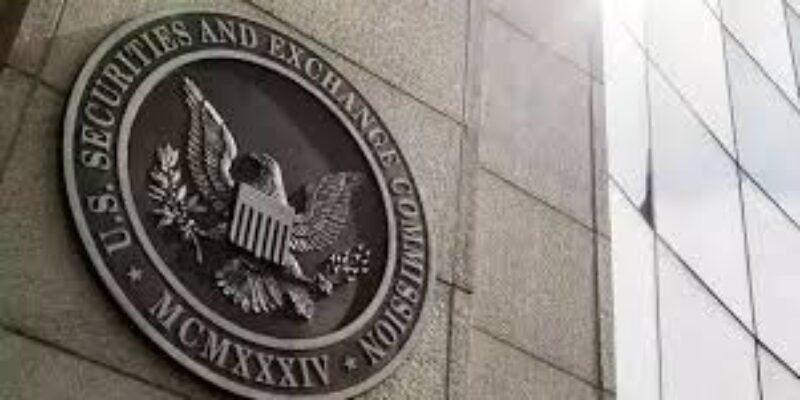
Behind this trend, policy changes in regulators have also played a key role. U.S. Securities and Exchange Commission(SEC)A regulatory framework for the monetization of digital securities and assets is being developed.
In 2026, the RWA asset monetization market was considered possible Key directions for the integration of financial science and technology and traditional finance。
I. What is the monetization of RWA assets?
RWA asset monetization means the digital expression of real world assets through block chain technology and in the form of Transactions and financing in the form of digital securities or currency。
Common RWA assets include:
- Real estate assets
- Private equity
- Bonds
- Infrastructure projects
- Commodity assets
- Private fundraising credit
Through block chain technology, these assets can be split into smaller shares, enabling more investors to participate in investment.
For example, a $100 million real estate project can be issued through tokenization 100 million digital security tokens, the investor can buy a proportionate share of the assets.
This model greatly enhances the liquidity of assets.
Why has RWA become a new global financial trend?
There are three main reasons for the rapid development of the monetization of RWA assets.
Inadequate liquidity of traditional financial assets
Many traditional assets (e.g. real estate or private equity funds) have low liquidity problems.
Currencyization allows assets to be traded in secondary markets and increases liquidity.
II. Lower global investor participation thresholds
Through block-chain technology, investors can participate more easily in global asset investments.
For example:
- Asian investors investing in real estate in the United States
- European investors investing in infrastructure projects in Asia
The monetization has made cross-border investment more efficient.
3. Technology for block chains to enhance transparency
The chain of blocks has natural transparency and traceability.
All transaction records can be recorded on the chain, thereby reducing the risk of fraud and increasing market confidence.
III. SEC Regulatory approach to the monetization of RWA assets
Despite the evolving technology of block chains, the United States regulators have made it clear that:
If a digital asset has a security attribute, it must comply with the securities law.
The SEC usually passes. Howey Test. to determine whether a digital asset is a security.
If a project:
1. Investment funds
2. Corporate investment enterprises
3. Expected returns to investors
4. Gains from other people ' s efforts
The asset could then be treated as a security.
Therefore, most RWA monetization projects need to be implemented STO(Security Token Offering) Structure.
IV. STO as an important mode of financing RWA
STOs (issue of securities-type tokens) are the issuance of digital securities through block chain technology for financing purposes.
Unlike traditional ICOs, STOs must be consistent with securities regulation.
Common means of compliance include:
- REGULATION D (US Private Fund-raising)
- REGULATION S (Occupational Fund-raising)
- (public fund-raising)
Many RWA projects have adopted:
Reg D + Reg S Double Structure
This model could:
- Raised funds from qualified American investors
- Also raise funds from overseas investors.
V. INSTITUTIONAL FUNDS STARTING IN THE RWA MARKET
In recent years, a number of large financial institutions have also begun to explore the monetization of RWA assets.
For example:
- Asset management company
- Bank
- Private fund-raising
- Financial Technology Corporation
They're exploring:
- Tokenized Funds (Diplomatic Fund)
- Tokenized Bonds
- Tokenize Real Estate
Some of the analytical agencies estimate that the next decade The RWA market could reach trillions of dollars.。
Impact of RWA on global capital markets
The monetization of RWA assets may have led to several significant changes.
1. More digital private markets
Future private funds and private equity may be issued through block chains.
Increased efficiency of financing
STOs can reduce the costs of intermediation and increase the efficiency of financing.
3. More global capital flows
Investors can be more easily involved in cross-border investments.
VII. Future regulatory trends
As the RWA market develops, global regulators are building rules.
Future regulation may focus on the following:
- Investor protection
- Digital securities trading platform regulation
- Anti-Money Laundering (AML)
- Digital asset hosting
The main global regulators include:
- USA SEC
- Europe ESMA
- Singapore MAS
- Hong Kong SFC
These regulators are gradually developing a unified digital asset control system.
Concluding remarks
The monetization of RWA assets is changing the global capital market structure. Traditional financial assets can become more mobile, transparent, and globalized through block-chain technology.
Regulatory compliance, however, remains a key factor in this market development. Whether it is a STO issue, a private fund or a digital securities trade, it needs to be conducted within a regulatory framework.
As financial science and technology continue to develop, RWA may become an important component of future financial markets.