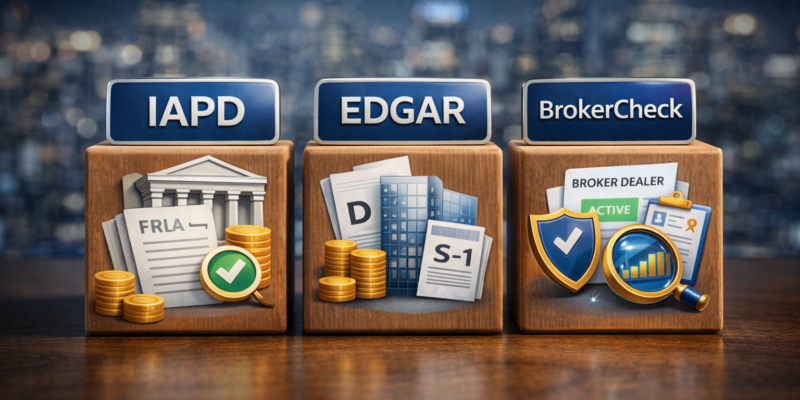
I. Why is the United States the core market for global finance?
The United States has always been at the centre of the global capital landscape.
The essence of this is not “market size”, but rather:
• Complete financial structure + clear investor hierarchy + mature legal system
Core strengths:
• The largest global pool
• The largest number of investors
The private sector is the most mature.
• The clearest path to finance
For enterprises:
Access to the U.S. financing system = direct interface to the global capital network
What are the core channels of US financing?
Many businesses have vague understanding of “access to finance” and are not in a position to do so.
In fact, US financing is a…Layer structure system:
1️⃣ Private placements
Applicable to:
Start-up business
Financial platform
Asset management company
Characteristics:
We don't have to go public.
No complex clearance required
Quick Start Finance
This is the most efficient financing path at this time.
2️⃣ Venture capital and private equity
Applicable to:
Growing-up enterprises
Science and technology companies
High Potential Project
Characteristics:
Large scale of funds
Strict review
Longer cycle
More “screen financing”
3️⃣ High-net-worth investors and family offices
Applicable to:
Flexible financing
Small- and medium-scale projects
Characteristics:
Make quick decisions.
Funds are flexible
More emphasis on structure and compliance
• Transforming one of the most efficient sources of funding
4️⃣ Cross-border capital flows
Including:
Asian finance
Middle East funds
Offshore capital
Characteristics:
Access to global markets through United States structures
• The United States is a global capital “transit point”
How does the United States finance process work?
US finance is not “directly taking money.”
It's a standardized path:
Step 1: Establishing a financier
Usually:
United States corporate structure
Finance carrier (SPV)
Step 2: Designing a financing architecture
Including:
Financing modalities
Type of investor
Financial path
Step 3: Preparation of financing documents
Core document:
Investment agreements
Subscription documents
Risk disclosure documents
This is the key to investor decision-making.
Step 4: complete filing process
(b) To submit financing information through the official system;
Create public searchable records.
It's an important confidence-building step.
Step 5: Start-up finance
Including:
Investor docking
Market promotion
Access to funds
• Entering the “real financing phase” thus far
IV. US FINANCING vs Global FINANCING
From a global point of view, the financing environment varies significantly from one region to another:
| Country/area | Difficulties in financing | Cost | Speed | Size of funds |
|---|---|---|---|---|
| United States | ⭐⭐⭐ | ⭐⭐ | ⭐⭐⭐⭐ | ⭐⭐⭐⭐⭐ |
| Singapore | ⭐⭐⭐⭐ | ⭐⭐⭐ | ⭐⭐⭐ | ⭐⭐⭐ |
| Hong Kong | ⭐⭐⭐ | ⭐⭐⭐⭐ | ⭐⭐⭐ | ⭐⭐⭐ |
| Cayman. | ⭐⭐⭐ | ⭐⭐⭐⭐ | ⭐⭐ | ⭐⭐⭐⭐ |
Core findings:
United States = best-balanced financing market
Not only:
Cost control
Faster!
And it's the most expensive.
Why can the United States achieve low-cost financing?
The point is:
• The United States uses a “record-keeping + immunity mechanism”
Compared to traditional financing:
No approval process required
There's no need for a queue.
No public distribution required
Thus, the following can be achieved:
• Significant cost reduction
♪ The time is much shorter ♪
<unk> Operation is flexible
VI. How can enterprises quickly access United States financing channels?
The core logic is not "seeing investors."
It is:
• Building capacity for financing first
Three points:
1️⃣ Compliance structure
Ensuring that access to finance is legal and enforceable
2️⃣ Documentation framework
Let investors quickly understand the project.
3️⃣ Market positioning
Explicit:
Whose money are you dealing with?
When these three dots are finished:
It's only when the financing starts.
VII. Which are the most suitable enterprises for US financing?
The following types of enterprises have the most obvious effects:
• Foreign exchange / CFC platform
• Digital assets project
• Private fund-raising
:: Asset management firm
RWA project
• Fintech platform
Common characteristics of these industries:
• Strong demand for financial resources + high dependence on international capital
viii. Common error zones.
Zone one: Go straight to investors.
There are no structures and no documents.
Investors don't come in.
<unk> Mistake II: Ignore compliance paths
It's not "raised," but it's not "raised."
It's a “compulsory fund-raising”.
Mistake three: cost, efficiency.
Low-cost efficient financing
The real point is:
Is the financing running?
Summary: The essence of financing is “entry into the system”
Many consider financing to be:
I'm looking for money.
But in practice:
• Finance is access to the capital system
The United States, on the other hand, is one of the most sophisticated systems in the world.
X. FAQ (common issues)
Q1: Is the United States financing threshold high?
The key to this is whether or not to adopt the right financing path and structure.
Q2: How long does the financing cycle generally last?
Where the structure is complete, the financing phase can be reached in a relatively short period of time.
Q3: Is US financing suitable for start-up?
It is highly appropriate, especially for fast-track access to finance and upgrading internationally endorsed enterprises.
Q4: What are the sources of financing?
These include, inter alia:
Institutional investors
High net value individuals
Cross-border capital
Q5: Why do many companies choose the United States over others?
Because America is:
Size of funds
Finance efficiency
Market Recognition
The optimal balance between the three was achieved.